

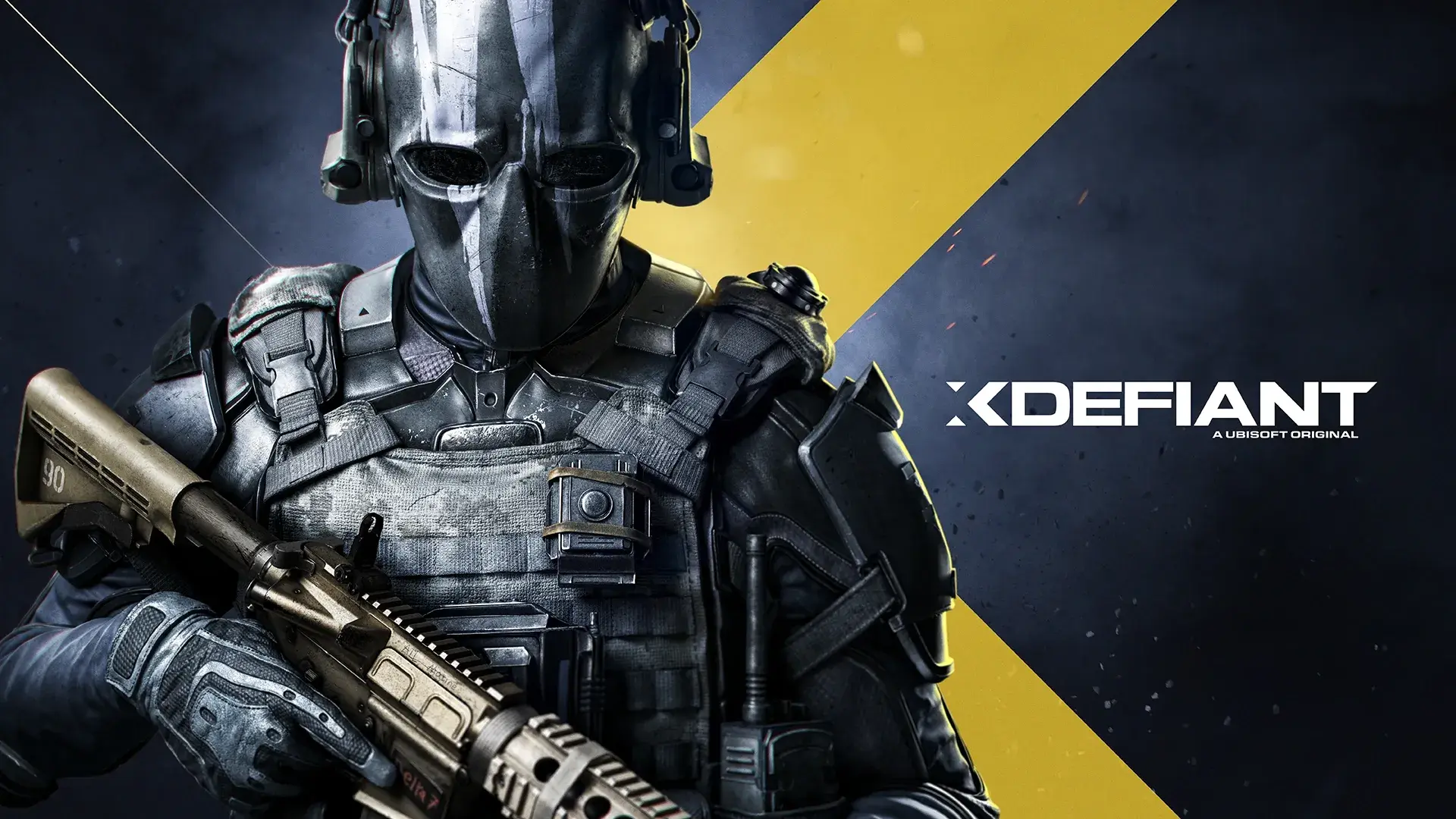
XDefiant was supposed to be the game that finally challenged Call of Duty's dominance. Instead, it became one of gaming's most spectacular failures, announcing a shut down after just seven months. Here's the complete story of how ambitious promises, technical disasters, and toxic leadership killed what could have been the FPS revolution we've all been waiting for.
When XDefiant launched on May 21, 2024, it seemed like the gaming world was about to witness something special. Here was a free-to-play shooter from Ubisoft that promised to do what no other game had managed: dethrone Call of Duty. Within just 2.5 hours of launch, the game attracted an unprecedented 1 million players, setting a new record for Ubisoft. By the end of its first week, XDefiant had amassed over 8 million unique players, with concurrent player counts reaching an impressive 700,000.
The gaming community was buzzing. Finally, someone had created a "Call of Duty killer" that actually seemed to have staying power. But as we now know, this initial success was nothing more than a spectacular mirage that would evaporate faster than anyone could have imagined.
On December 3, 2024, just over six months after its triumphant launch, Ubisoft delivered the devastating news: XDefiant would be shutting down permanently on June 3, 2025. New downloads and player registrations were immediately halted, and nearly 300 employees lost their jobs as Ubisoft closed its San Francisco and Osaka studios.
The Rise and Fall: From 8 Million Players to Ghost Town
The story of XDefiant's collapse is one of the most dramatic player retention failures in gaming history. While the game initially attracted millions of players, it couldn't keep them. By August 2024, just three months after launch, reports surfaced that XDefiant was struggling to maintain even 20,000 concurrent players across all platforms. To put this in perspective, the game had lost over 97% of its peak concurrent players in less than four months.
The numbers tell a devastating story. According to tracking data, XDefiant's monthly player count plummeted from 2.5 million in May 2024 to just 14 active players by March 2025. This wasn't just a decline – it was a complete exodus that left the game's servers practically empty.
The Technical Catastrophe That Destroyed Player Trust
At the heart of XDefiant's failure lay a fundamental technical problem that plagued the game from its earliest beta tests: broken netcode and hit registration issues. Players reported bullets not registering when hitting enemies, getting killed around corners by phantom shots, and experiencing massive delays between pulling the trigger and seeing damage.
The root of these problems traced back to a controversial decision by Ubisoft: building XDefiant on the Snowdrop engine, which was originally designed for MMOs like The Division, not fast-paced first-person shooters. Mark Rubin, XDefiant's executive producer, admitted that "all of the infrastructure for an FPS has had to be built up from the ground floor" because they were "working on developing all-new tech in an engine that was designed for something else".
This technical debt became what Rubin later called "crippling". While competitors like Call of Duty started with engines specifically designed for shooters (ID Tech) and Apex Legends built upon Valve's shooter-optimized Source engine, XDefiant was essentially trying to force a square peg into a round hole.
The community's frustration with these issues was palpable. Despite multiple patches and promises of fixes throughout 2024, the core netcode problems persisted. Players grew tired of what should have been a fundamental aspect of any shooter – reliable hit detection – being treated as an ongoing experiment.
The Toxic Leadership Crisis: "The Boys Club"
Behind the scenes, XDefiant's development was poisoned by what sources described as a toxic work culture dominated by a group internally known as "The Boys Club". This clique of approximately a dozen executives and directors had allegedly created an environment of crunch, high turnover, and mental health issues among the development team.
According to multiple sources who spoke to Insider Gaming, The Boys Club was responsible for many of the game's fundamental problems. The netcode issues that plagued XDefiant had been identified years earlier, but suggestions to fix them were consistently ignored because they didn't come from within this inner circle.
"There have been countless occasions where different teams would advise The Boys Club about making certain choices and decisions with months/years notice in order to avoid issues down the road," said one developer. The toxic leadership allegedly led to missed deadlines, excessive overtime, and multiple talented developers leaving the project.
This internal dysfunction became so severe that knowledge of "The Boys Club" spread to other Ubisoft studios, creating a reputation that likely hampered the company's ability to attract top talent to the project.
The Strategic Blunders That Sealed XDefiant's Fate
The Division Heartland Sacrifice
In one of the most controversial decisions in recent gaming history, Ubisoft cancelled The Division Heartland – a promising PvPvE extraction shooter that had been in development for four years – to redirect resources to XDefiant. This move proved to be catastrophically misguided.
The Division Heartland would have offered something genuinely unique: a survival-action extraction shooter set in the beloved Division universe. Instead, Ubisoft chose to bet everything on XDefiant, a game that many critics argued was just another generic arena shooter in an already oversaturated market.
Marketing Meltdown
Despite claims that XDefiant was a "Call of Duty killer," Ubisoft's marketing efforts were surprisingly anemic. Executive producer Mark Rubin later admitted that the team had done "very little marketing" for the game. This lack of promotional support meant that after the initial launch buzz died down, XDefiant struggled to attract new players or win back those who had left.
The irony is stark: Ubisoft spent years developing a game specifically designed to compete with Call of Duty, then failed to give it the marketing push necessary to actually compete.
The Free-to-Play Monetization Trap
As a free-to-play game, XDefiant needed players to spend money on cosmetics and battle passes to be profitable. However, the game's monetization strategy was widely criticized as aggressive and overpriced. Character skins cost over £20, and the overall store pricing was seen as extortionate compared to competitors.
More critically, the game offered purchasable factions that could also be unlocked through grinding 700,000 experience points. While Ubisoft claimed this wasn't "pay-to-win," many players saw it as exactly that—a way to bypass hundreds of hours of grind by opening your wallet.
The Oversaturated Market Reality
XDefiant launched into one of the most competitive gaming markets in history. The FPS genre was already dominated by established giants like Call of Duty, Apex Legends, Valorant, and Counter-Strike. Recent high-profile failures like Sony's Concord (which shut down after just two weeks) had demonstrated how brutal this market could be.
What made XDefiant's situation even more challenging was its identity crisis. The game tried to be too many things at once: a Call of Duty competitor, an Overwatch-style hero shooter, and a nostalgic throwback to classic arena shooters. This lack of focus meant it never truly excelled in any particular area, making it easy for players to return to games that did specific things better.
The Final Nail: Call of Duty's Counterattack
The timing of XDefiant's decline couldn't have been worse. Just as the game was struggling to maintain its player base, Call of Duty: Black Ops 6 launched in October 2024. This highly anticipated release effectively delivered the final blow to XDefiant's already hemorrhaging player count.
Ubisoft had bet everything on Season 3 being the turning point that would revive the game. Instead, Season 3 launched directly into the teeth of Black Ops 6's marketing campaign and release, ensuring that any remaining XDefiant players would be tempted away by the new Call of Duty experience.
The Human Cost
The shutdown of XDefiant didn't just represent a corporate failure—it devastated hundreds of real lives. When Ubisoft pulled the plug, 277 developers lost their jobs. The San Francisco and Osaka studios were closed entirely, ending careers and disrupting families.
Mark Rubin, who had left Activision to join Ubisoft and lead XDefiant, announced he was leaving the gaming industry entirely after the shutdown. In his farewell message, he expressed hope that "someone else can pick up the flag that I was trying to carry and make games again that care about the players, treat them with respect, and listen to what they have to say".
The Lessons From One Of Gaming's Greatest Disappointments
XDefiant's failure offers crucial lessons for the gaming industry:
- Technical Foundation Matters: You cannot build a competitive shooter on inappropriate technology and expect to succeed. The Snowdrop engine decision haunted XDefiant throughout its brief existence.
- Leadership Culture Kills: Toxic workplace environments don't just harm employees – they destroy products. The Boys Club's dysfunction directly contributed to the game's technical and creative failures.
- Marketing Isn't Optional: Even the best game needs strong marketing support. XDefiant's minimal promotional efforts guaranteed its obscurity after the launch window.
- Player Retention Trumps Initial Success: Getting 8 million players to try your game means nothing if you can't keep them playing. XDefiant's 97% player loss rate is a master class in how not to run a live service.
- Market Timing Is Everything: Launching into an oversaturated market requires exceptional execution. XDefiant's "good enough" approach wasn't nearly sufficient.
The Broader Impact on Gaming
XDefiant's spectacular failure has sent shockwaves through the gaming industry. As one Reddit user noted, "Other studios may hesitate to create new competitors to CoD for fear of failure. Ubisoft had the right elements: a former Call of Duty developer, an enthusiastic community, and a plethora of disappointed CoD players, yet it still didn't succeed".
This failure effectively reinforces Call of Duty's monopolistic position in the arcade shooter market. When a major publisher like Ubisoft, with significant resources and experienced developers, cannot create a viable competitor, it sends a chilling message to other potential challengers.
Conclusion: The Game That Could Have Changed Everything
XDefiant's story is ultimately a tragedy of wasted potential. The game had everything it needed to succeed: backing from a major publisher, experienced developers, a hungry audience, and a genuine opportunity to challenge an established giant. Instead, it became a cautionary tale about how technical incompetence, toxic leadership, and strategic blunders can destroy even the most promising projects.
The saddest part isn't just that XDefiant failed – it's that its failure likely means we won't see another serious attempt to challenge Call of Duty's dominance for years to come. In trying to kill the king and missing, XDefiant may have ensured that the king's reign continues unchallenged.
For the millions of players who hoped XDefiant would finally give them an alternative to Call of Duty's perceived problems, the game's shutdown represents more than just another failed live service. It represents the death of hope for meaningful competition in a genre that desperately needs it.
XDefiant wasn't just Ubisoft's biggest gaming disappointment – it was the gaming community's. And that makes its spectacular failure all the more tragic.